
On International Men's Day, Tuesday, November 19, 2025, communities across Trinidad and Tobago, Malta, and nearly 80 other nations will pause to recognize the quiet struggles and enduring contributions of men and boys — not with parades, but with conversations that too often go unspoken.
A Day Born From Grief and Glory
The modern International Men's Day didn’t emerge from a policy meeting or a UN resolution. It began in the humid air of Port of Spain, where Dr. Jerome Teelucksingh, a history lecturer at the University of the West Indies, chose November 19 for a reason both personal and political: his father’s birthday, and the day in 1989 when Trinidad’s national football team — the Soca Warriors — united a fractured nation by nearly qualifying for the World Cup. That day, men from every background stood shoulder to shoulder, not as rivals, but as patriots. Teelucksingh saw it: a moment when masculinity wasn’t about dominance, but about collective pride.
Though Thomas Oaster had launched an earlier version in the U.S. in 1992, it fizzled out. Teelucksingh’s version stuck. And by 2009, even Malta, which had celebrated men’s contributions since 1994 on February 7, voted to shift its observance to November 19 — aligning with the movement that had quietly grown across continents.
The Six Pillars Behind the Silence
What makes International Men's Day different from other awareness days is its structure. It doesn’t just say, “Men matter.” It lists six pillars: promoting male health, improving gender relations, highlighting positive male role models, celebrating men’s contributions to society, focusing on discrimination against men, and creating safer spaces for boys.
Those pillars aren’t abstract. They’re why a 42-year-old construction worker in London might finally talk to his GP about his insomnia and anxiety. Why a high school in Johannesburg now runs weekly peer circles for boys to discuss bullying and fatherlessness. Why the United Nations Educational, Scientific and Cultural Organization (UNESCO) issued a formal statement of support in 2018 — not as a policy mandate, but as an acknowledgment: “Men’s mental health is not a niche issue. It’s a global public health emergency.”
The Numbers Behind the Silence
Behind every celebration is a sobering statistic. In the U.S., men account for 76% of all suicides — a rate nearly four times higher than women’s. In the U.K., life expectancy for men is 3.7 years shorter than for women. In Australia, one man dies by suicide every four hours. These aren’t just numbers. They’re fathers, brothers, teachers, uncles — men who were taught to “tough it out,” to “be the rock,” to swallow their pain.
“We don’t teach boys to cry,” said Dr. Teelucksingh in a 2021 interview. “We teach them to be silent. And silence kills.”
That’s why International Men's Day in 2025 carries the theme “Celebrating Men and Boys” — not as a slogan, but as a corrective. It’s not about replacing women’s struggles. It’s about recognizing that gender equality isn’t a zero-sum game. When men are allowed to be vulnerable, families heal. When boys see healthy emotional expression modeled, violence declines. When workplaces offer mental health days without stigma, productivity rises.
How the World Is Responding
This year, Canada will host its largest-ever Men’s Health Fair in Toronto, with free screenings for prostate cancer, depression, and diabetes. In South Africa, community centers are partnering with local soccer clubs to run father-son mentorship programs. In India, male influencers are using TikTok to share stories of overcoming emotional isolation — a radical shift in a culture where men are still expected to be stoic providers.
Even corporations are tuning in. In Germany, BASF — one of Europe’s largest chemical firms — now offers mandatory mental resilience training for all male employees. “We used to think resilience meant ignoring stress,” said their HR director. “Now we know it means asking for help.”
What’s Next? The Quiet Revolution
The movement is no longer fringe. It’s institutional. But it’s still fragile. Funding for men’s mental health programs remains 1/10th of what’s allocated to women’s health initiatives. School curricula rarely include emotional literacy for boys. And in many countries, the phrase “toxic masculinity” is still weaponized to dismiss all male behavior — not just harmful patterns.
Teelucksingh’s original vision was never to pit genders against each other. It was to create a world where men don’t have to choose between being strong and being human. That’s the real legacy of November 19.
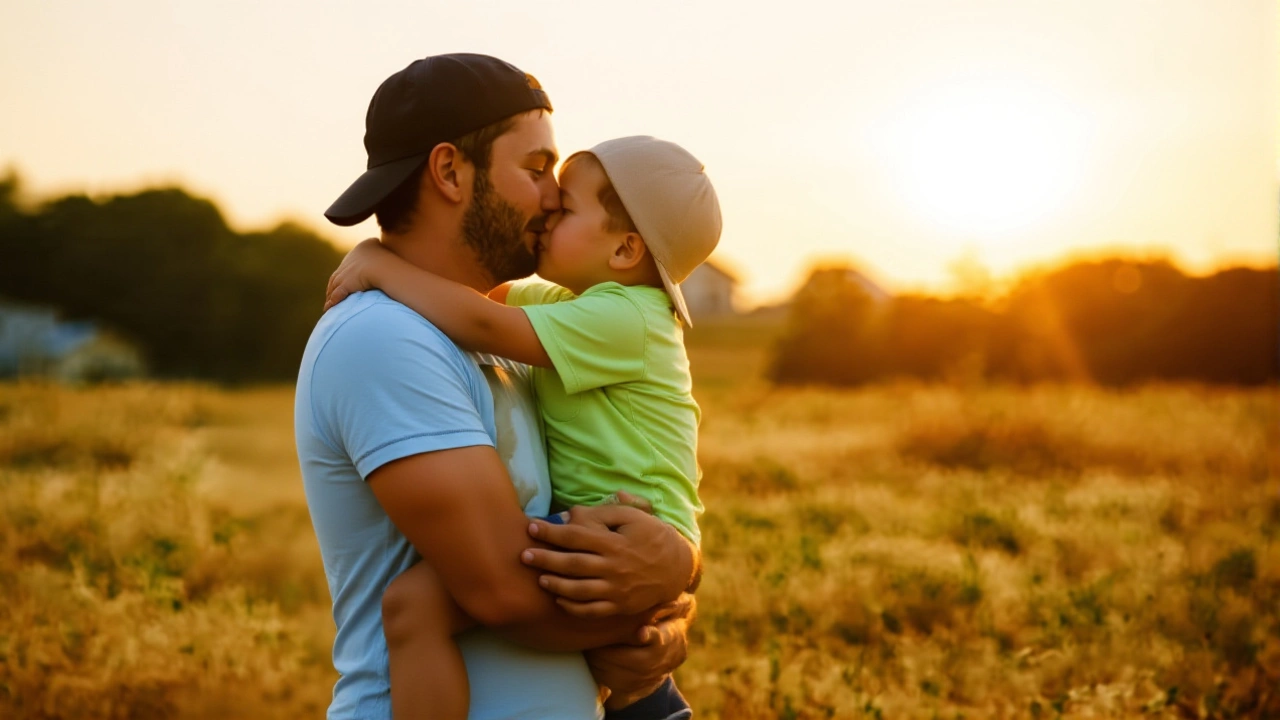
On that day in 2025, a father in Barcelona might hug his son a little longer. A veteran in Australia might walk into a counseling center for the first time. A teacher in Malta might read a poem about grief to a classroom of boys who’ve never heard someone say, “It’s okay to miss him.”
That’s the celebration.
Frequently Asked Questions
Why is International Men's Day on November 19?
November 19 was chosen by Dr. Jerome Teelucksingh to honor his father’s birthday and to commemorate the Trinidad and Tobago men’s football team’s 1989 World Cup qualifying campaign, which united the nation. The date was later adopted globally to create consistency, replacing earlier observances on February 7 that were primarily limited to Malta and the U.S.
How does International Men's Day differ from International Women's Day?
While International Women’s Day often focuses on systemic barriers faced by women, International Men’s Day centers on issues often ignored: male suicide rates, emotional isolation, fatherlessness, and societal pressure to suppress vulnerability. It doesn’t compete — it complements, aiming for gender equality by addressing the full spectrum of human experience.
What role does UNESCO play in International Men's Day?
UNESCO has formally endorsed International Men's Day as a platform for promoting healthy masculinity and emotional well-being in education systems. In 2018, it encouraged member states to integrate male mental health awareness into school curricula, particularly in regions with high youth suicide rates and low help-seeking behavior among boys.
Why is the theme 'Celebrating Men and Boys' significant in 2025?
The 2025 theme shifts focus from crisis to potential. Rather than only highlighting problems like suicide or homelessness, it emphasizes the positive impact men have — as caregivers, mentors, innovators, and community builders. This reframing helps reduce stigma and encourages societies to invest in male well-being as a shared priority, not a niche concern.
Are there any countries that don’t observe International Men's Day?
While over 80 countries officially recognize the day, many nations — including parts of East Asia and the Middle East — lack public observances due to cultural norms around masculinity or limited resources for awareness campaigns. However, grassroots efforts are growing even in these regions, often led by educators, religious leaders, and sports coaches.
How can individuals participate in International Men's Day?
Simple acts matter: call a male friend you haven’t checked on in months. Share a story about a man who shaped your life. Support local men’s health charities. Encourage boys to express emotions without shame. You don’t need a parade — just presence. As Dr. Teelucksingh says, ‘The most powerful thing you can do is listen.’
Write a comment