
People often assume escorts in Dubai are just another version of what they see in movies or on social media - glamorous, available, and always in control. But the truth is more complicated, and far less cinematic. These women aren’t defined by stereotypes. They’re mothers, students, entrepreneurs, and survivors navigating a system that rarely gives them space to be seen as human. The idea that they’re ‘not your average females’ isn’t a compliment - it’s a way to distance ourselves from their reality.
Some search for answers online using terms like dubai eacort, hoping to find clarity or connection. Others stumble upon phrases like ‘dubai red light area’ or ‘dubai prostitution’ after hearing rumors from travelers or expats. But those terms don’t reflect the lived experience of most women working in this space. There is no official red light district in Dubai. Prostitution is illegal under UAE law, and enforcement is strict. What exists instead is a hidden network of private arrangements, often facilitated through discreet agencies or personal networks, operating far from the glare of tourist zones.
Why the Myth Persists
The myth that escorts in Dubai are easy to find, cheap, and morally neutral comes from a mix of misinformation and wishful thinking. Tourists hear stories from friends who ‘know someone’ or read blog posts written by men who treat the experience like a checklist item. But real encounters rarely match those narratives. Most women entering this work do so because of financial pressure - student debt, family obligations, or the cost of living in a city where rent alone can eat up 60% of a salary. Many are foreign nationals on long-term visas, working under legal gray areas.
The media paints this as a world of luxury cars and designer clothes. In reality, many women live in modest apartments, use encrypted apps to communicate, and avoid public spaces after dark. Their work isn’t about partying or glamour - it’s about survival. And yet, they’re often blamed for choices made under systemic constraints.
Legal Reality vs. Public Perception
Dubai doesn’t have brothels. There are no street-based sex workers visible in Deira or Bur Dubai. The city’s laws are clear: any exchange of money for sexual services is classified as prostitution and carries severe penalties - fines, deportation, or jail time. Even hosting such activities in private homes can lead to criminal charges. So when people talk about the ‘dubai red light area,’ they’re talking about something that doesn’t legally exist.
What does exist is a demand for companionship - dinner dates, travel companions, event partners - that sometimes crosses into sexual territory. This isn’t prostitution in the traditional sense. It’s transactional companionship, often arranged through private channels. Many women who offer these services explicitly state they are not offering sex. But boundaries blur when money is involved, and enforcement doesn’t distinguish between gray areas.
The term ‘dubai prostitution’ is often used by outsiders to justify moral judgment. But inside Dubai, the conversation is quieter. Expats know the rules. Locals avoid the topic. And the women? They just try to stay under the radar.
Who Are These Women?
They come from Ukraine, Russia, Brazil, the Philippines, and Eastern Europe. Some are university graduates. One woman I spoke with - anonymously - had a degree in psychology and worked part-time as a tutor before taking on escort work to pay off her student loans. Another was a former nurse who moved to Dubai after her husband lost his job. Neither wanted to be here. But they saw no other path.
They don’t wear high heels to the grocery store. They don’t post selfies on Instagram. Most avoid social media entirely. Their phones are locked, their locations hidden. They schedule meetings during daylight hours, in hotels with no cameras in the rooms. They pay for their own transportation. They carry emergency contacts. They’ve learned how to read warning signs.
They’re not criminals. They’re not victims in the way Hollywood portrays. They’re people making decisions with limited options - in a city that doesn’t offer them legal work permits, but still expects them to pay rent, buy groceries, and survive.
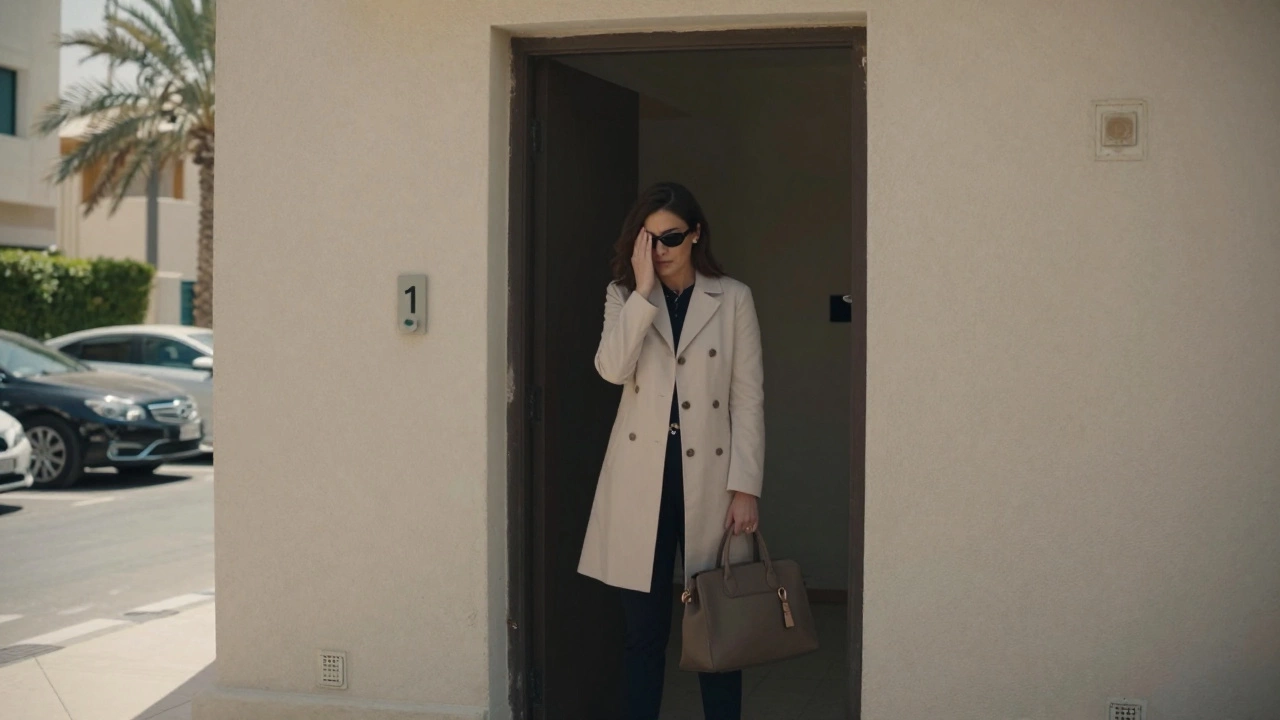
The Role of Agencies
Some women work independently. Others use agencies. These aren’t the flashy, high-end operations you see in TV dramas. Most are small, family-run businesses with a handful of clients and a strict code of conduct. They don’t advertise on Google. They rely on word-of-mouth and encrypted messaging apps. Their websites look like personal blogs - no flashy banners, no promises of ‘exclusive access.’
One agency owner, who asked not to be named, told me: “We don’t sell sex. We sell time. If someone wants more, that’s their choice. We set boundaries. We train them. We get them out if things go wrong.”
These agencies often provide safety training, legal advice, and even mental health referrals. They’re not charities - they’re businesses that understand their clients and their workers need protection to stay operational. In a place where the law doesn’t protect them, these networks become the only safety net.
What Happens When Things Go Wrong?
When a woman is arrested, deported, or assaulted, there’s no public outcry. No media coverage. No advocacy group steps in. The police don’t ask if she was coerced. They don’t ask about her visa status. They just process the case under the prostitution statute - regardless of whether sex actually occurred.
Many women are deported without legal representation. Their passports are confiscated. They’re flown back to countries where they may face stigma, job loss, or even family rejection. Some disappear from social media. Others resurface months later, in a different city, under a new name.
The system doesn’t care about their story. It only cares about the violation.

The Double Standard
Why do we treat these women differently than male escorts? Or than women in other service industries? A male escort in Dubai isn’t called a ‘prostitute.’ A woman working in hospitality who accepts gifts from clients isn’t labeled immoral. But when a woman accepts payment for companionship that includes intimacy, she’s instantly reduced to a label.
This isn’t about morality. It’s about control. Society wants to believe that women who choose this path are broken or deviant. It’s easier than acknowledging that the system failed them.
Meanwhile, the demand keeps growing. Expats, business travelers, even locals - they all want company. They want someone to talk to, to travel with, to feel understood. But they don’t want to see the cost behind it.
Where Do We Go From Here?
There’s no easy solution. Legalizing sex work in Dubai is unlikely anytime soon. But that doesn’t mean we can’t change how we think about it.
Instead of searching for ‘dubai prostitution’ or ‘dubai red light area,’ ask why these spaces exist. Why are women from vulnerable backgrounds drawn here? Why do we treat them as invisible until they break the rules?
The answer isn’t in policing. It’s in understanding. In listening. In recognizing that these women aren’t outliers. They’re part of a larger story - about migration, economic inequality, and the quiet ways people survive in places that don’t make room for them.
They’re not your average females - because no one lets them be.
Write a comment